What is {{name}}?
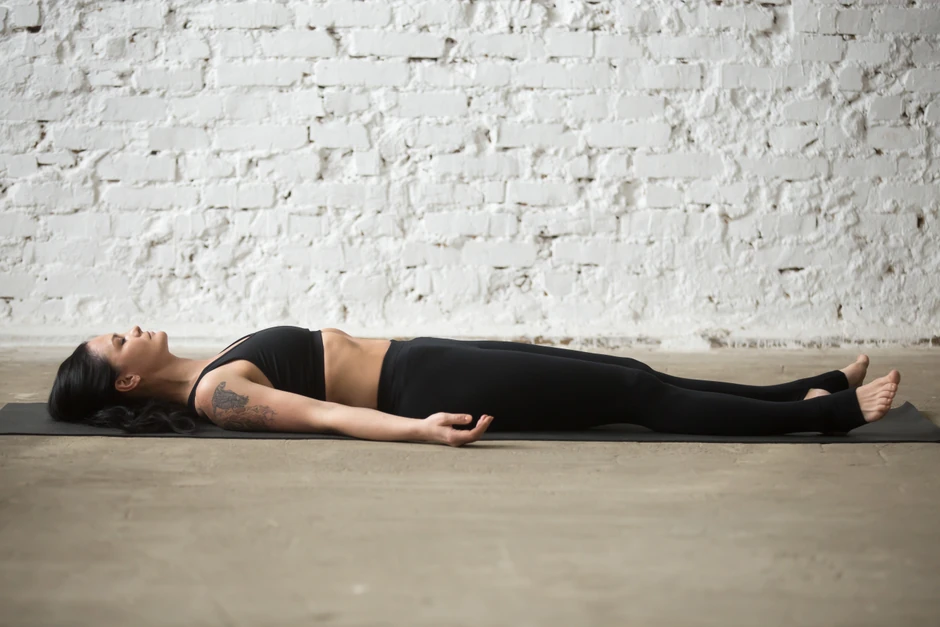
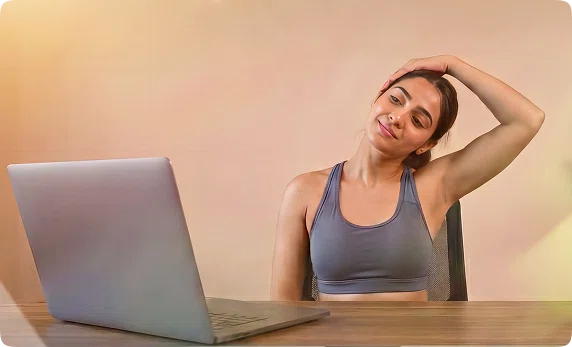
Gentle yoga is a slow, accessible style of yoga designed to feel supportive rather than demanding. Instead of focusing on intensity or complex poses, it emphasizes ease of movement, breath awareness, and building confidence in the body without strain. It is not a single lineage, but a broad category of low-intensity practice often rooted in Hatha yoga principles and adapted for accessibility.
Gentle yoga is a good fit for beginners, older adults, people managing injuries or chronic conditions, and anyone returning to movement after a long break.
At a Glance
Key Benefits
Gentle yoga is often chosen for how safe, welcoming, and sustainable it feels. Its benefits come from moving slowly, using support where needed, and giving the body time to build confidence without strain.
- Feels accessible for all ages and ability levels.
- Supports joint health and everyday mobility.
- Helps reduce stiffness and built-up tension.
- Improves balance and coordination in a safe, steady way.
- Calms the nervous system through slow movement and breathing.
- May support digestion through gentle movement and relaxation.
- Helps rebuild confidence in the body after inactivity, illness, or injury
Yoga is complementary to, not a replacement for, medical treatment. Consult your doctor if you have a pre-existing condition.
Key Characteristics & Elements
Gentle yoga is shaped by accessibility, support, and a slower pace. These core elements are what make the practice feel safe, welcoming, and sustainable for a wide range of people.
- Modified Poses for Every Body: In Gentle yoga, poses are regularly adapted to suit different bodies, abilities, and comfort levels. The goal is not to force the full expression of a pose, but to keep its purpose while reducing strain.
- Slow Pace With Longer Holds: Gentle yoga moves slowly, with time to settle into each pose and rest between movements. This makes the practice feel calmer and more manageable, especially for beginners, older adults, or anyone returning to movement.
- Extensive Prop Use: Props like chairs, bolsters, blankets, and blocks are commonly used to make poses more comfortable and accessible. In Gentle yoga, props are not a sign that you are struggling — they are part of how the practice supports the body well.
- Breath as the Anchor: Because the movement is simple and unhurried, breath becomes the primary focus. It helps guide the pace of the class and gives Gentle yoga its calm, meditative quality.
What to Expect in a Class
A Gentle yoga class usually begins with a few quiet minutes to settle in, often lying down or seated comfortably. Some teachers may guide simple breathing or gentle joint movements to help release stiffness before the main practice begins. From there, the class moves slowly through a mix of seated, floor-based, and supported standing poses, with clear options offered throughout.
The pace is unhurried, and there is time to rest between movements when needed. Props like chairs, bolsters, blankets, and blocks are often used to make each pose feel more comfortable and accessible. Most classes end with a longer Savasana, leaving you feeling calmer, looser, and more at ease in the body.
Tell your teacher before class if you have:
- Recent surgery or acute injury
- Severe osteoporosis or bone density concerns
- Vertigo or inner ear conditions
Join a Live Gentle Yoga Group Class for Free


Gentle Yoga: Rejuvenate


Gentle Yoga for Gentle Movement and Relaxation by Trupti
Gentle Yoga-Soothe Your Body and Mind
Who it’s for
- Beginner to advanced yogis
- Seniors
- People with chronic pain
- People with injuries or limited mobility
Who it’s not for
- Gentle yoga is for everyone
How it will help you
- Improves digestion
- Stimulates the immune system
- Builds strength and flexibility
- Calms the nervous system
- Improves sleep patterns
How it will not help you
- Gentle yoga is for everyone
Enjoy a Free 1-on-1 Session with a Coach!
Receive personalized guidance tailored to your unique fitness goals, live with a dedicated coach—no credit card required.
Questions about {{name}}

Yes! Gentle yoga is one of the most accessible yoga styles for older adults. The slow pace, chair-supported options, and focus on joint mobility make it a good fit for many seniors, even without prior yoga experience.
A 1-on-1 session can be especially helpful if you want personalized modifications before joining a group class.
Both are low-intensity and beginner-friendly, but they are not the same. Gentle yoga includes slow, mindful movement throughout the class, while Restorative yoga focuses on complete stillness with full prop support.
Gentle yoga helps build mobility and body awareness, while Restorative is more focused on deep rest and nervous system recovery. Learn more about restorative yoga in this detailed guide.
Gentle yoga is not mainly a weight-loss practice, because the intensity is low. Its value is more indirect — it can support stress reduction, body awareness, and consistency, all of which can play a role in overall wellness habits.
Gentle yoga can be practiced several times a week, and even daily for many people. Because it is low intensity, it is usually easy to recover from and maintain consistently. Even short, regular practice can improve mobility, comfort, and mental calm over time.
Yes! Gentle yoga is one of the best starting points for complete beginners. You do not need to be flexible, fit, or experienced to begin. The focus is simply on moving slowly, using support where needed, and learning to listen to your body.
{{name}} Articles
%20(7).webp)
Heart-Opening Yoga Poses to Support Emotional Well-Being
Explore gentle heart-opening yoga poses for emotional wellness. Reduce tension, breathe deeper, and support emotional balance naturally.

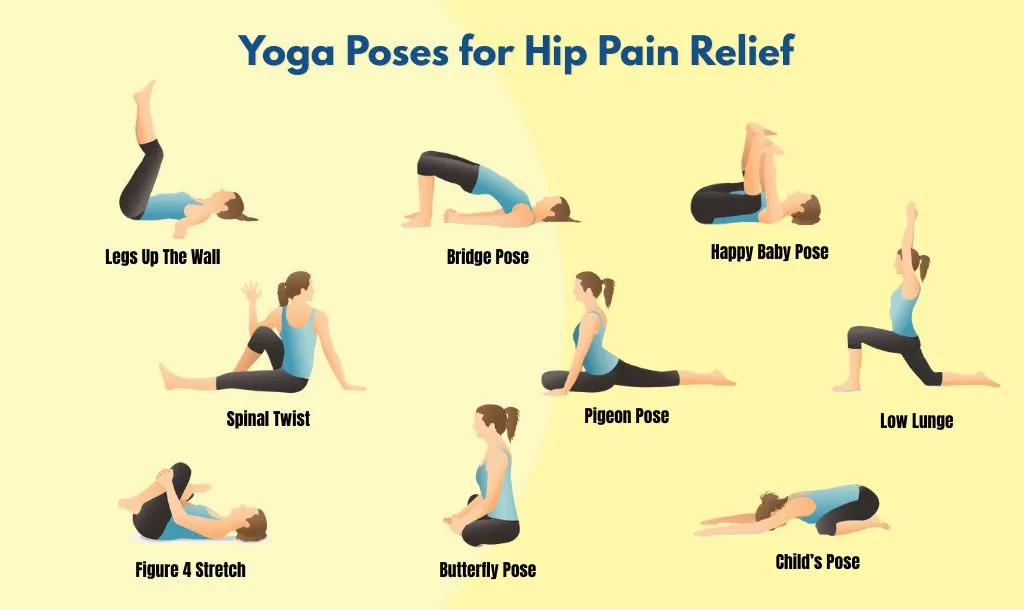
9 Gentle Yoga Poses for Hip Pain Relief (Therapeutic Guide)
Discover 9 gentle yoga poses for hip pain relief. Expert-guided stretches for arthritis, bursitis, and joint stiffness. Safe, natural healing starts here!
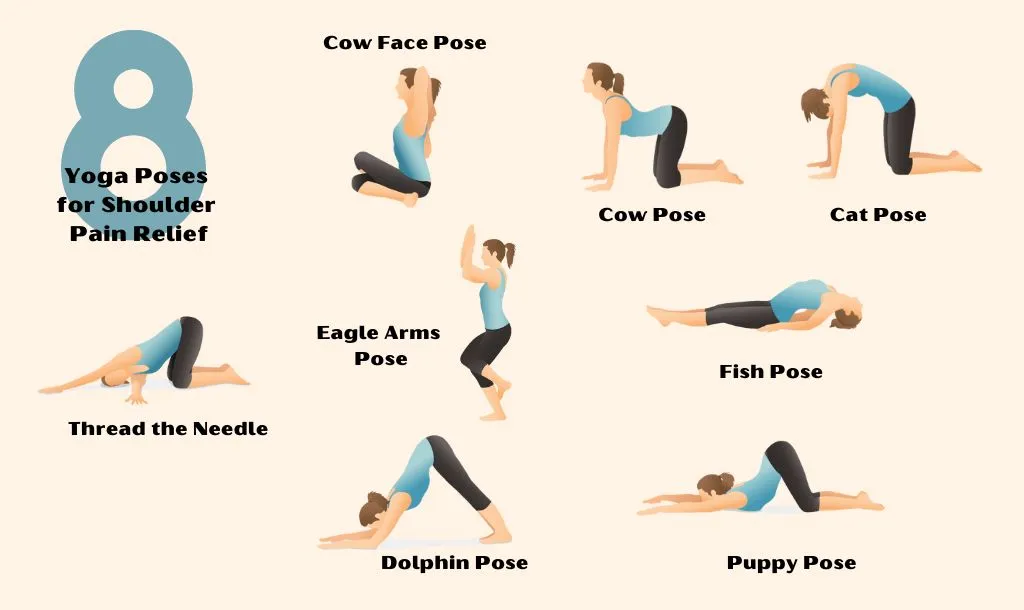
8 Gentle Yoga Poses for Shoulder Pain Relief (Expert Guide)
Discover 8 gentle yoga poses for shoulder pain relief. Expert-guided stretches for rotator cuff, shoulder blade pain, and tension. Start healing today!