What is {{name}}?
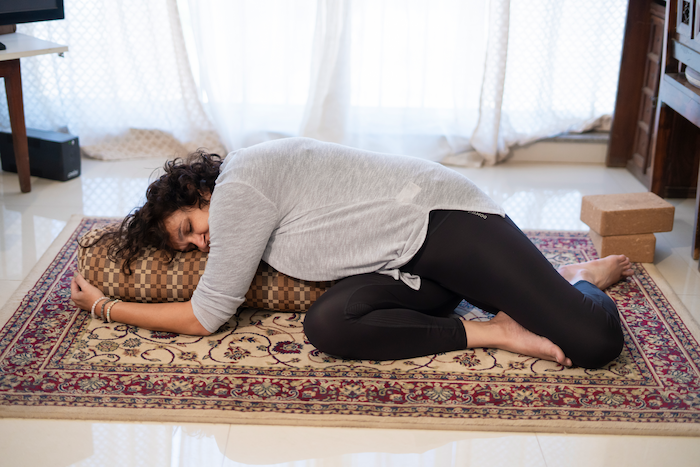
Yin yoga is a slow, passive style of yoga where poses are held for several minutes to target deep connective tissue rather than muscles. Developed by Paul Grilley in the 1980s and influenced by Taoist yoga and Traditional Chinese Medicine, it focuses on stillness and release rather than effort. Unlike active styles, Yin encourages you to soften and let gravity do most of the work. It is a good fit for all levels, especially for people looking for deep flexibility, recovery, stress relief, or a calmer balance to busy lives.
At a Glance
Key Benefits
Yin yoga is often chosen for how deeply releasing and restorative it feels over time. Its benefits come from long, passive holds that target connective tissue, calm the nervous system, and support areas of the body that often hold chronic tension.
- Improves deep flexibility by targeting fascia and connective tissue.
- Supports joint mobility through slow, sustained loading.
- Relieves chronic tension in the lower back, hips, and shoulders.
- Activates the parasympathetic nervous system for deeper relaxation.
- Offers a meditative counterbalance to active training and busy routines.
- May support digestion through gentle compression and release.
- Encourages patience, stillness, and mental steadiness through long holds.
Yoga is complementary to, not a replacement for, medical treatment. Consult your doctor if you have a pre-existing condition.
Key Characteristics and Elements
Yin yoga feels very different from more active styles because it works through time, stillness, and support rather than muscular effort. These core elements shape how the practice is taught and why it appeals to people looking for deeper release and slower recovery.
- Long Passive Holds: In Yin, poses are usually held for 3 to 5 minutes, much longer than in most other yoga styles. This extended time is what allows the practice to reach deeper tissues and create the distinctive slow, intense feel of a Yin class.
- Targeting Connective Tissue: Yin is designed to work with fascia, ligaments, tendons, and joint areas rather than the muscles. That is why the body is asked to soften as much as possible — if you are actively engaging too much, you are no longer working in the intended way.
- Stillness and Surrender: Yin may look passive from the outside, but mentally it asks for patience and discipline. Staying in one shape for several minutes teaches you to notice sensation without reacting immediately, which is part of what gives the practice its meditative quality.
- Meridian Stimulation: Yin yoga is influenced by Traditional Chinese Medicine, which teaches that energy moves through pathways in the body called meridians. Some Yin poses are designed around these pathways, which is why the practice is often linked to ideas like energy balance and support for overall well-being.
What to Expect in a Class
A Yin yoga class begins quietly, usually with a few minutes of stillness to help the body and nervous system settle before any deeper work begins. From there, you move slowly through a small number of mostly floor-based poses, each held for several minutes with the help of props like bolsters, blankets, and blocks. The pace is minimal, the room is often quiet, and the focus is less on movement and more on staying present with sensation.
During the holds, expect a deep, sustained stretch rather than muscular effort. The sensation can feel intense at times, but it should never feel sharp or painful. Most classes close with a longer Savasana, and afterward the body often feels heavy, open, and deeply released. Some people also notice an emotional response after long holds, which can be a normal part of the experience.
Tell your teacher before class if you have:
- Hypermobility or connective tissue disorders
- Recent joint surgery or acute injury
- Osteoporosis, as some deep forward folds or twists may need modification
Join a Live Yin Yoga Group Class


Yin Yoga for Nervous System Support


Yin Yoga vs Restorative Yoga
If you want a practice that creates a deep stretch and works into connective tissue, Yin is usually the better fit.
If you need complete rest, full support, and a class focused more on recovery than sensation, Restorative may suit you better.
Read our full Yin vs Restorative comparison here.
Who it’s for
- Yogis with tight muscles + joints
- People with chronic back pain
- Athletes
- Anxiety + depression sufferers
Who it’s not for
- Everyone can do yin yoga with the right instructor!
How it will help you
- People who aren’t very flexible
- Athletes with overworked muscles
- People with circulation problems
- People who suffer from stress
How it will not help you
- Everyone can do yin yoga with the right instructor!
Enjoy a Free 1-on-1 Session with a Coach!
Receive personalized guidance tailored to your unique fitness goals, live with a dedicated coach—no credit card required.
Questions about {{name}}

Yes! Yin is one of the most accessible yoga styles regardless of fitness level or prior experience. There are no fast transitions or strength-heavy sequences, so the physical barrier to entry is low. The main challenge is learning how to stay still, use props correctly, and find the right depth in each pose.
A 1-on-1 session can make that much easier when you’re starting out. Read this complete guide on Yin Yoga here.
Both are slow and prop-supported, but they serve different purposes. Yin uses longer holds to create a gentle, sustained stress on connective tissue, while Restorative is designed for complete ease and nervous system recovery. Yin asks for mild sensation; Restorative removes effort almost entirely.
No! Yin Yang yoga is a different class format that combines passive Yin holds with more active movement-based practice. Yin yoga, on its own, is made up of slow, passive holds only. Read more about Yin Yang yoga here.
For most people, 2 to 4 sessions per week is a practical range. Because Yin is low intensity and does not rely on muscular effort the way active styles do, it can also fit well on recovery days between stronger workouts or faster yoga classes.
It can be helpful for many people dealing with chronic lower back tension, especially when tight hips and connective tissue restriction are part of the issue. The long holds can create space and release in areas that often stay tight from sitting or stress.
{{name}} Articles

Yin vs Restorative Yoga: What’s the Difference?
Yin vs Restorative Yoga explained. Compare intensity, hold times, props, and benefits. Learn the key differences and choose the right slow yoga style for you.

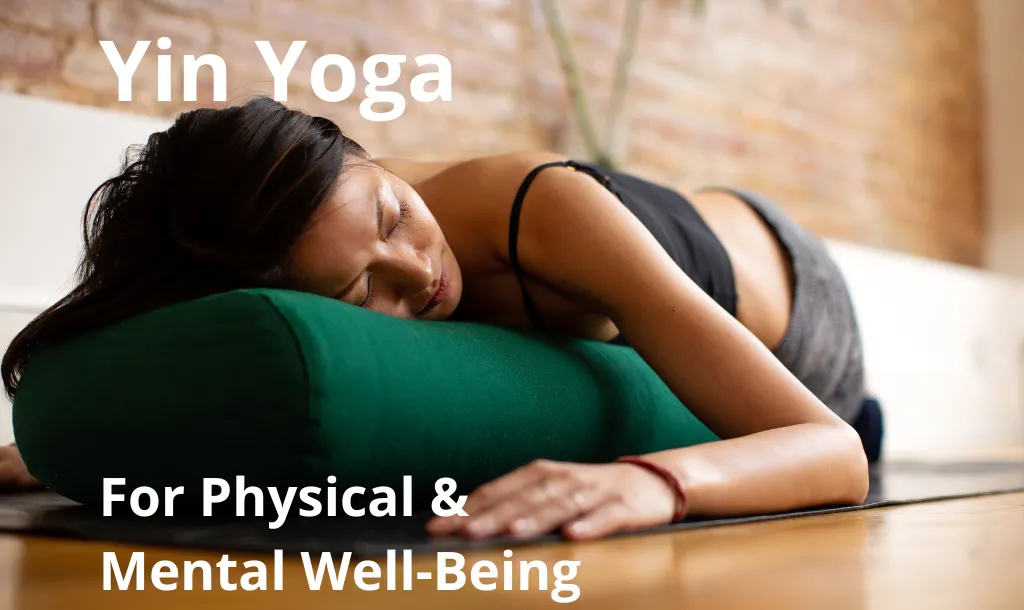
What is Yin Yoga: Benefits, Poses, and Getting Started
Wondering what is yin yoga? It’s a great way to calm and relax the body and the mind. Explore yin yoga poses and its benefits here!
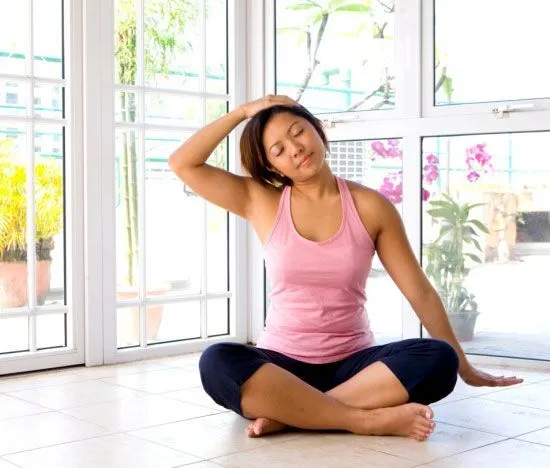
10 Yin Yoga Poses for Immunity and Lymphatic Drainage
Learn yoga poses for immunity and yoga for lymphatic drainage! Join MyYogaTeacher today for free to learn more!